Freediving Strength Training: Why Most Divers Train the Wrong Way


AIDA & Molchanovs Instructor Trainer
He is the founder of The Depth Collector and VD Freediving Taiwan. With over a decade of experience, he focuses on solving real-world freediving problems, from equalization to depth adaptation, using practical, field-tested methods.

Most freedivers think technique is everything.
And yes, technique matters. Relaxation matters. Equalization matters. CO₂ tolerance matters.
But there is another reality many divers do not want to hear:
A weak body cannot fully relax underwater.
Freediving is not just meditation in the ocean. It is a physical sport that places extreme demands on muscles, joints, connective tissue, breathing mechanics, and energy systems. The deeper you go, the more your body becomes part of the equation.
As I explain in The Science of Strength, freedivers do not need bodybuilding muscles. They need efficient strength, mobility, endurance, and movement control specifically adapted to diving.
Freediving Is a Sport, Not Just a Mental Practice
One of the biggest misconceptions in the freediving world is the idea that physical preparation is secondary.
It is not.
You cannot relax into depth if your muscles fatigue too early. You cannot maintain streamlined movement if your body lacks stability. And you cannot move efficiently if your joints and connective tissues are weak or restricted.
A strong body creates confidence underwater.
As written in the book:
“A strong, well-conditioned body gives the mind freedom to stay calm, because it trusts the system that carries it down.”
Freediving requires a combination of:
Strength
Muscular endurance
Mobility
Coordination
Explosive power
Relaxation under hypoxia
Efficient movement under pressure
That combination is what makes freediving unique.
Different Freediving Disciplines Require Different Muscles
Not all freediving disciplines place the same demands on the body.
CNF (Constant Weight No Fins)

CNF heavily relies on:
Chest muscles
Lats
Arms
Abdominals
Legs and hips
This is one of the most physically demanding disciplines in freediving because propulsion comes entirely from the body itself.
CWTB (Constant Weight Bifins)

Bifin diving depends primarily on:
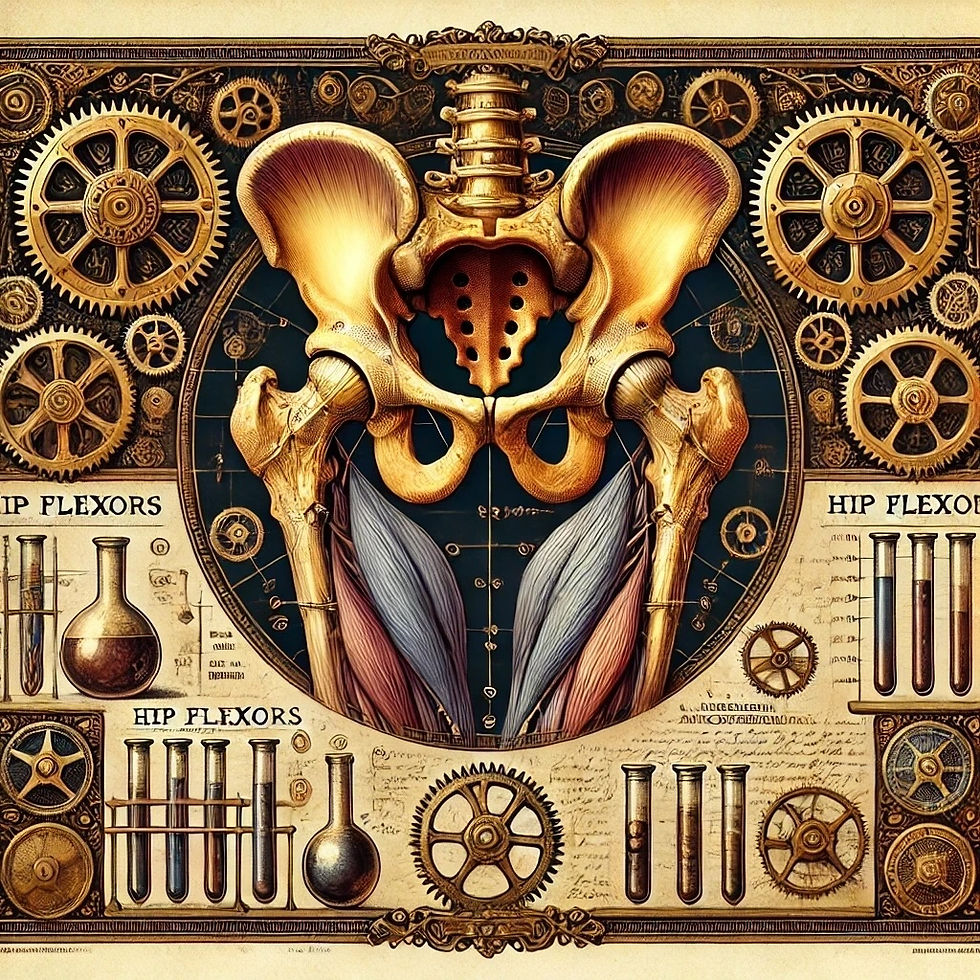
Hip flexors
Quadriceps
Hamstrings
Glutes
Calves
Core stabilization
Efficient kicking mechanics and endurance become critical here.
FIM (Free Immersion)

FIM is upper-body dominant and requires:
Grip strength
Forearms
Biceps
Lats
Shoulder stability
Abdominal control
Many divers underestimate how demanding repeated rope pulling becomes during deep dives.
Why Bodybuilding Is Not the Answer
Social media has convinced many athletes that training is about aesthetics.
Freediving does not care about aesthetics.
The goal is not six-pack abs.
The goal is efficiency underwater.
As I wrote in the book:
“Train for performance, not for appearance.”
Freedivers need functional strength, not mirror muscles.
That means prioritizing:
Pull-ups
Squats
Deadlifts
Rows
Core stability
Mobility work
Tendon and ligament health
The objective is to create a body capable of functioning under oxygen restriction, pressure, fatigue, and long-duration effort.
Freediving Uses Every Energy System
Another mistake many divers make is thinking freediving is “purely aerobic.”
It is not.
Deep freediving uses:
The ATP-CP system
Aerobic metabolism
Anaerobic metabolism
All three systems interact during a dive.
That is why freediving training cannot focus on only one quality.
You need:
Strength for propulsion
Endurance for long dives
Power for efficient movement
Lactate tolerance for discomfort
Neuromuscular coordination for technique
Freediving is a hybrid sport.
And the deeper you go, the more obvious this becomes.
Slow-Twitch vs Fast-Twitch Muscle Fibers in Freediving
Freediving requires both endurance and power.
Slow-twitch fibers help resist fatigue and function efficiently with oxygen. Fast-twitch fibers produce explosive force and speed. Both matter underwater.
This is one reason why elite freedivers often combine:
Strength training
Long aerobic sessions
Mobility work
Specific water training
Plyometrics
Technique repetition
The body must become adaptable.
The Most Overlooked Part of Freediving Training
Tendons and ligaments.
Most divers only think about muscles.
But connective tissue health matters enormously for injury prevention and long-term performance. Tendons transfer force into movement, while ligaments stabilize the joints.
A shoulder injury, lower-back issue, or knee problem can completely derail a season.
Mobility and structural balance are not optional.
They are part of freediving longevity.
Nasal Breathing During Strength Training
One detail many athletes overlook is breathing mechanics during workouts.
In the preparation phase described in the book, most training is performed with nasal breathing.
Why?
Because nasal breathing:
Improves breathing efficiency
Increases airflow resistance
Strengthens respiratory muscles
Encourages better CO₂ tolerance
Helps control intensity
For freedivers, breathing training never really stops, even inside the gym.
The Goal Is Not to Look Strong. It Is to Dive Better.
The best freediving training is not about becoming a bodybuilder.
It is about building a body that:
Moves efficiently
Conserves oxygen
Resists fatigue
Handles pressure
Maintains technique under stress
Recovers effectively
Freediving performance is built long before the dive begins.
It is built through repetition, discipline, mobility work, intelligent strength training, recovery, and thousands of small physical adaptations over time.
The ocean rewards prepared bodies.
And eventually, depth exposes weak ones.
About the Book
This article is adapted from The Science of Strength: For Freediving by Anthony Feoutis, part of The Depth Collector Archive.


Comments